
Property renovations that bring a tired house back to life
Worn-out rooms, old wiring, damp walls and a layout that stopped working years ago can all be fixed in one planned project. BA Construction renovates homes across Manchester, from a full strip-out and refit to a carefully phased update of the rooms that matter most.
Signs the house needs more than a coat of paint
Decorating hides problems for a season. A renovation deals with what is causing them. If you recognise a few of these, it is worth getting the whole house looked at, not one room at a time.
Damp patches and musty rooms
Peeling paint, black mould in corners and a smell that never quite goes. The cause might be a failed damp course, a leaking gutter or bridged cavity, and it has to be found before anything is redecorated.
The wiring is original
Rubber or fabric-covered cable, a fuse box with rewirable fuses and too few sockets all point to an installation that has had its day. Renovation is the cheapest time to put it right.
Plaster is blown or cracking
Hollow-sounding walls, large cracks and ceilings that sag mean the plaster has lost its grip. Patching rarely lasts; re-boarding and skimming does.
The house is cold and costs a fortune to heat
Draughty windows, bare loft insulation and solid walls with no treatment let heat escape. Upgrading these during a refit is far easier than doing it later.
Pipes, radiators and the bathroom are failing
Low pressure, green staining, slow leaks and a boiler that struggles are signs of ageing plumbing that can be replaced while floors and walls are open.
The layout no longer suits you
A tiny closed-off kitchen, a dark hallway or rooms that were never used. Moving a wall or opening up a doorway can change how the whole house feels.
Pick the level of renovation that fits the house and the budget
Renovation covers everything from a few rooms to an entire house. Getting the level right at the start saves paying for work you do not need, or redoing work that was never going to be enough.
Room-by-room refresh
Best for sound houses with dated finishesNew plaster, flooring, joinery and decoration in the rooms that need it. Services stay as they are unless they fail inspection.
Full refurbishment
Best for homes bought in need of updatingNew electrics, heating, plastering, floors, kitchen and bathrooms across the house, finished to a consistent standard.
Strip back to shell
Best for houses with hidden problemsEverything non-structural comes out so we can repair, dry, insulate and rebuild properly. Not quick, but nothing is left to chance.
Period property restoration
Best for Victorian and 1930s homesRepairing and keeping original features such as cornices, sash windows and fireplaces while bringing the structure and services up to date.
Materials and finishes we work with
- Walls and ceilings
- Lime or gypsum plaster to suit the wall, plasterboard on timber battens where walls are uneven, and breathable paints and finishes in older solid-wall houses.
- Floors
- Repaired and re-levelled timber boards, new engineered wood, tile or stone on insulated screeds, and moisture-resistant underlay in rooms that have had damp.
- Joinery
- Doors, skirting, architraves and fitted storage made up or matched to the house, with double-glazed windows in timber, uPVC or aluminium to suit the property.
- Services
- New consumer unit and circuits, copper or plastic plumbing, modern radiators or underfloor heating, and extractor fans that actually shift moisture.
What a renovation quote should spell out
A renovation involves most trades, and the quote needs to say who does what, in what order. We run the whole job as one project, so there is one team and one point of contact.
- Condition survey and itemised quoteEvery room walked through, with the work listed room by room.
- Strip-out and waste removalOld fittings, plaster and flooring taken out and cleared from site.
- Structural repairs and alterationsLintels, steels, rotten joists and cracked masonry dealt with to an engineer's design.
- Damp investigation and treatmentThe source found and fixed, not just covered over.
- Rewiring and new consumer unitInstalled, tested and certified to BS 7671.
- Plumbing and heating updatesNew pipework and radiators, with the boiler tied in.
- Insulation, plastering and ceilingsWarmer rooms and flat, dry surfaces ready for decorating.
- Flooring, doors and carpentryFitted, hung and finished with consistent detail throughout.
- Dust control and a tidy siteFloors protected, dust sheets up and the site swept each day.
- Snagging and final cleanA walk-round with you and certificates handed over together.

Need extra floor area as well as a refresh? Look at home extensions or loft conversions.
How a renovation is run so it finishes properly
The order matters more than the speed. Hidden work goes in before the finishes, and each trade hands over a clean, checked area to the next.
Survey and plan
We go through the house with you, note what is wrong and what you want changed, then agree the scope and the sequence of rooms.
Strip-out and discovery
Once old finishes are off, the real condition of walls, floors and pipework is visible. Anything unexpected is shown to you and priced before we carry on.
Structure and damp
Repairs, new openings and damp fixes come first, because everything else is built on them.
First fix
Cables, pipes, heating runs and extractor ducts go in while the walls are open, followed by inspection and testing.
Insulation, plaster and floors
Rooms are closed up, plastered and left to dry before floors are laid and joinery is fitted.
Second fix and handover
Sockets, switches, fittings and doors go in, then a snagging walk-round, final clean and your certificates.
The rules and safety checks behind a proper refurbishment
Not every renovation needs permission, but many jobs inside one do need approval or certification. We check what applies to your house before work starts.
Building Regulations
Removing a load-bearing wall, altering drainage, changing the structure or upgrading thermal elements such as roofs and walls can all need approval. Building Control inspects the work and issues a completion certificate.
Electrical safety
New circuits, a new consumer unit and work in bathrooms and kitchens are covered by Part P and must be designed, installed and tested to BS 7671. You receive an electrical certificate at the end.
Asbestos
Houses built or refurbished before 2000 can contain asbestos in textured coatings, floor tiles, soffits and pipe lagging. Suspect material is sampled and, if confirmed, dealt with by a licensed contractor before we disturb it.
Planning, listed and conservation properties
Internal renovation usually needs no planning permission, but changing windows or the exterior may. Listed buildings need consent for almost any alteration, including internal ones.
Party Wall etc. Act 1996
Cutting into a shared wall, inserting a beam or underpinning near a neighbour's property can require formal notice to the adjoining owner.
Windows and gas appliances
Replacement windows must meet Building Regulations, and any work on gas pipework or a boiler must be done by a Gas Safe registered engineer. We coordinate this as part of the project.
Keep every certificate together. A buyer's solicitor will ask for them when you sell.
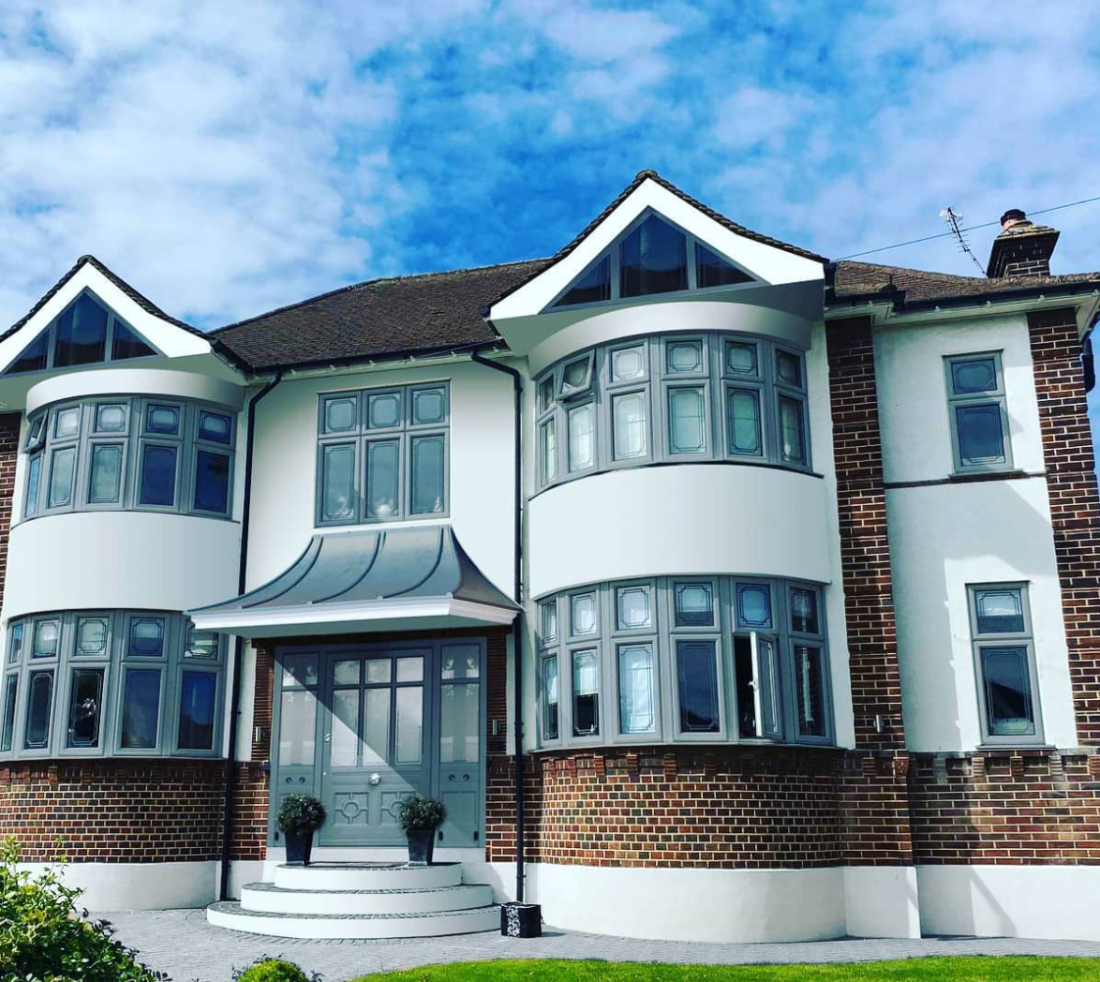
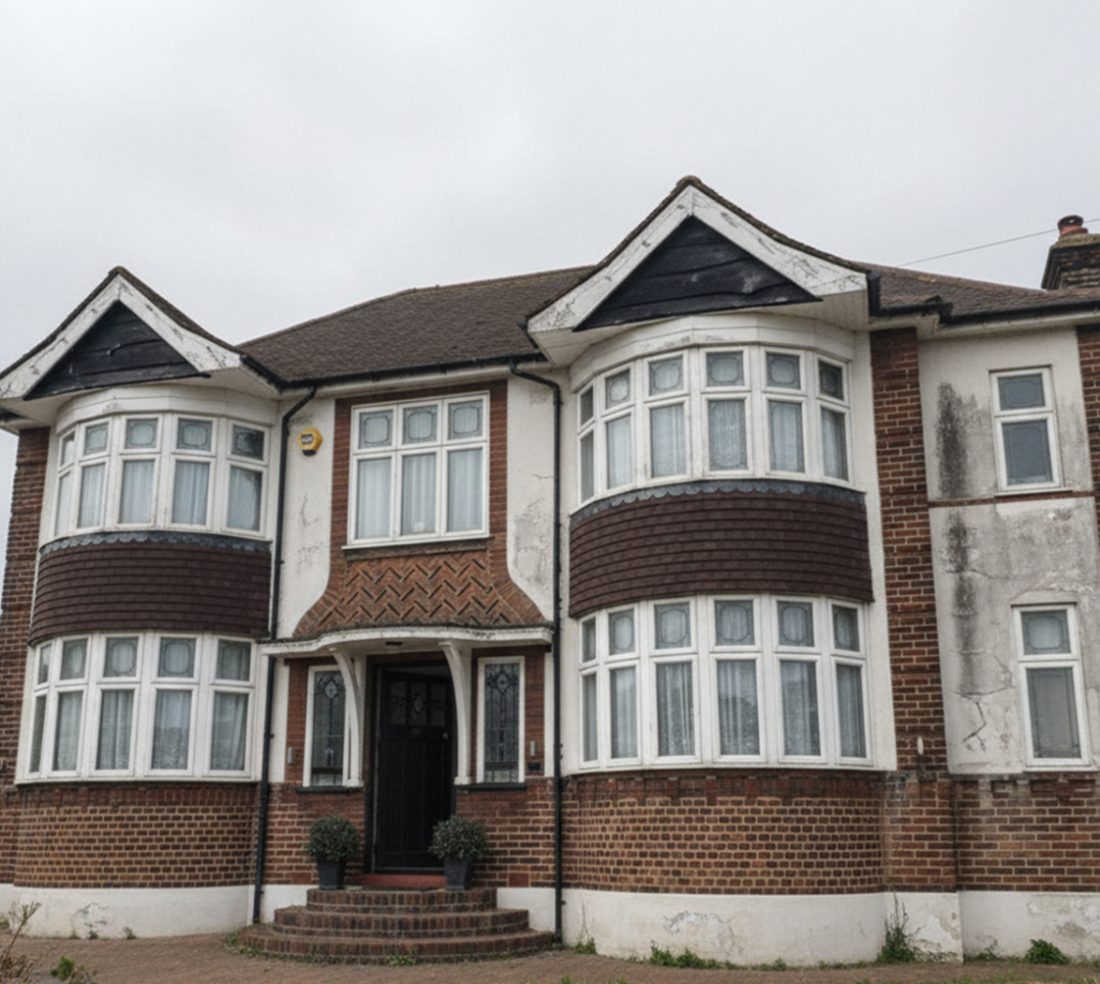
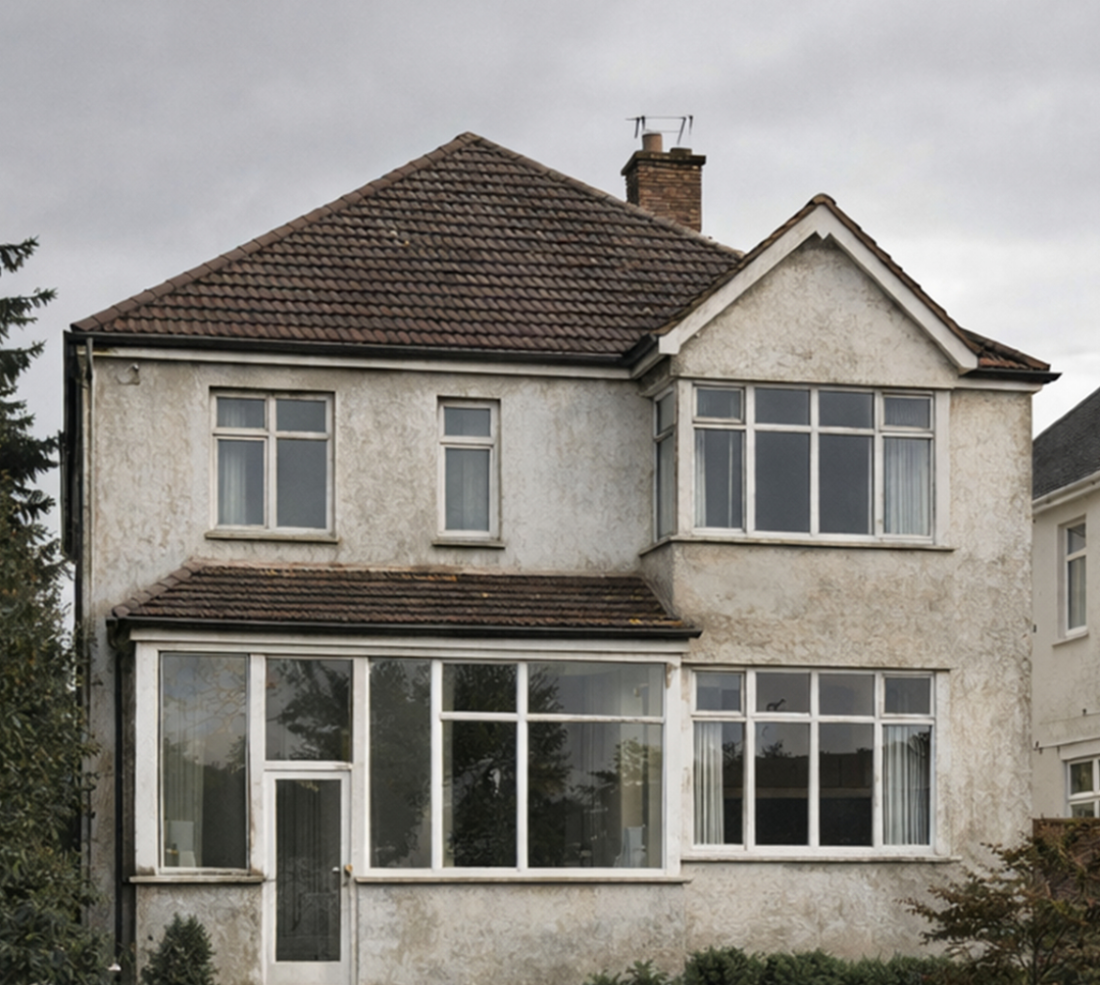
Two refurbishments, as we found them and as we left them
Drag the handle across each photo to see the room before work began and the finished result.

Why two renovations of the same size can cost very different amounts
Until the walls and floors are inspected, any figure is a guess. These are the details that shift a renovation budget.
- Age and condition of the houseOlder properties tend to hide more: rotten timber, failed lintels and out-of-date services.
- Scope of roomsKitchens and bathrooms cost more per square metre than bedrooms and hallways because of the trades involved.
- Rewire and re-plumbReplacing services throughout means lifting floors and chasing walls, which adds labour but avoids repeat work later.
- Damp and structural repairThe size of the problem is only clear once it is exposed.
- Layout changesMoving walls, doorways or a kitchen needs engineering, extra steel and drainage alterations.
- SpecificationNatural stone, bespoke joinery and high-end fittings can change the total far more than the building work itself.
- Access and living in the houseWorking around a family that stays in the property takes longer than working in an empty one.
Looking after the house once the work is done
New plaster, floors and joinery need a short settling-in period. A few habits in the first months keep the finish looking right.
10 year guarantee
Renovation work carries a 10 year guarantee. If a problem appears, you speak to the team that did the work.
- Give plaster time to dryWalls can look dry before they are. Use a thinned mist coat first and hold off on wallpaper and vinyl paints until we advise.
- Expect small movementTimber floors and joinery settle as the house warms up. Tiny gaps or hairline cracks at joints are normal and are filled when redecorating.
- Heat the house gentlyBring the heating up gradually over the first few weeks so new materials dry evenly.
- Ventilate wet roomsUse extractor fans and open windows after showers and cooking to stop condensation returning.
- Test smoke alarms and the electricsPress the test button on smoke alarms each month and press the RCD test button on the consumer unit every few months.
Renovation questions homeowners ask before they book
Can I stay in the house while BA Construction renovates it?
Often, yes, if the work is phased room by room and you keep a working kitchen and bathroom. A full strip-out with new electrics, plumbing and heating is easier and quicker with the house empty. We talk through both options at the survey so you can decide.
How long does a full house renovation take?
It depends on the size of the house, how much is hidden behind the walls and floors, and whether you live there during the work. We give you a programme with the written quote and tell you straight away if anything uncovered changes it.
Do I need planning permission to renovate my home?
Work inside a house, such as replastering, new floors, rewiring and refitting kitchens and bathrooms, usually needs no planning permission. Changes to the outside, flats, conservation areas and listed buildings are different, and listed buildings need consent for internal alterations too. We check at survey.
Will the house need rewiring?
Not always, but if the installation is original, has rewirable fuses or has no RCD protection, it is worth looking at properly. A test shows the condition of the circuits. If rewiring is needed, doing it during a renovation is much cheaper and cleaner than doing it afterwards.
What happens if you find asbestos in an older property?
We stop work in that area, have the material sampled and follow the result. If it is confirmed, removal is carried out by a licensed contractor before any renovation continues. Houses built before 2000 can contain it in textured ceilings, floor tiles and boards.
Can you add a new kitchen or bathroom as part of the renovation?
Yes. Fitting both within the same project means the plumbing, electrics and tiling are planned together, so you avoid opening up the same walls twice. Our installers also handle the finishing detail.
Ready to renovate the house properly?
Tell us which rooms are bothering you. We will come out, look through the house and send you a written, room-by-room quote.
0161 123456