Skip to content

Property renovations in Manchester

BA Construction renovates Manchester houses and flats room by room or from top to bottom: stripping back tired interiors, putting right what is hidden behind the walls, and finishing to a standard you notice every day. One team plans it, runs it and hands it back clean.

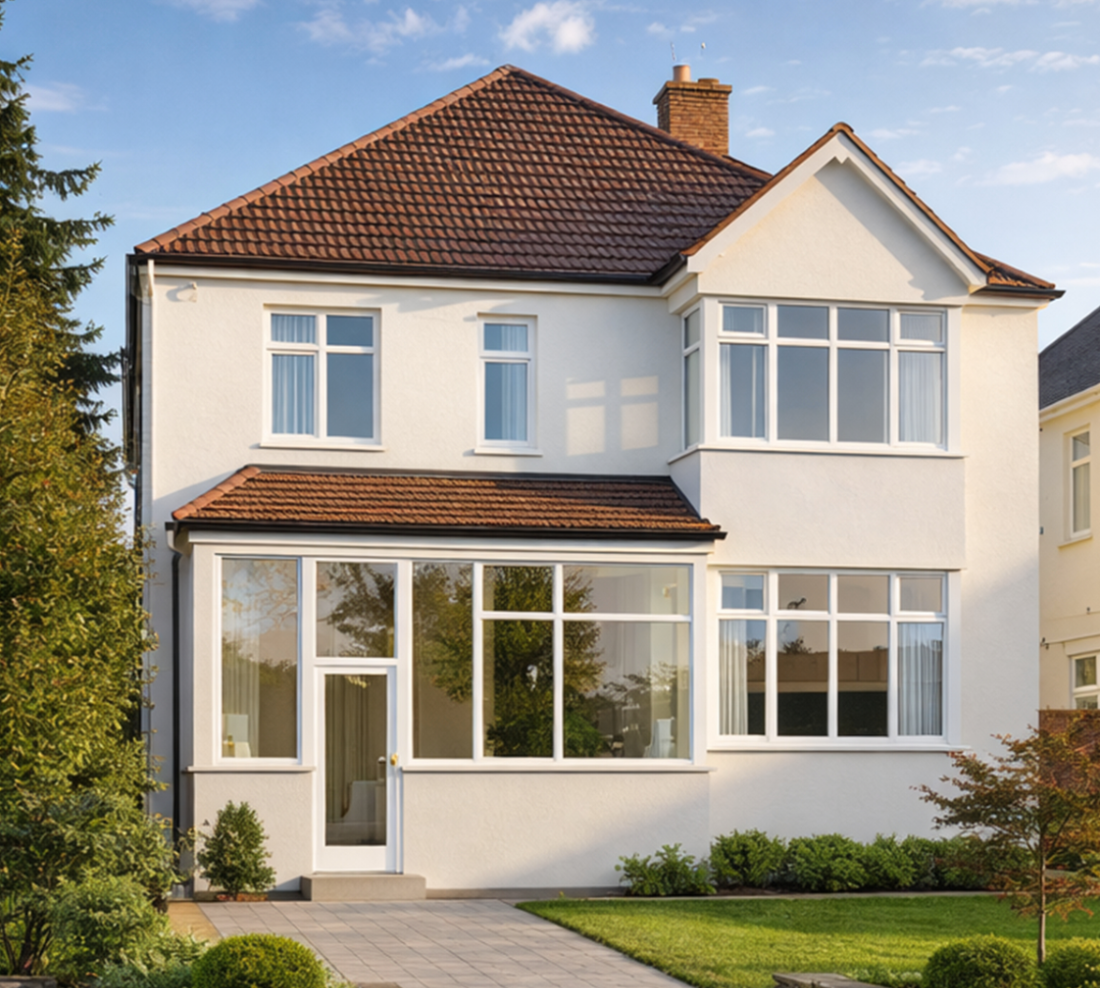
Renovated interior by BA Construction
Renovation work in progress by BA Construction
Refurbished room finished by BA Construction

The Manchester properties we renovate most, and what is usually hiding inside

A renovation is mostly about the age of the building. Once we know what you own, we know where to look first.

Pre-1919 terraces and villas

Solid brick walls with no cavity, lime-based plaster, original floorboards and often a cellar. These houses reward a careful hand: sound joinery and plasterwork can be repaired and kept, rather than ripped out.

What to plan forWalls that need to breathe. Modern cement render or non-breathable paint trapped against old brick is a common cause of damp patches.

1930s semis

Good bones and generous rooms, but frequently with original wiring, a dated bathroom and a kitchen that has been patched over the years. A full refresh here often means new circuits, replastering and reworked layouts downstairs.

What to plan forTextured ceiling coatings from before 2000 can contain asbestos, so we check before anything is sanded or scraped.

Former rental and shared houses

Houses that have had years of tenants often need the lot: fire-damaged doors, worn flooring, tired bathrooms and walls that have been painted over rather than repaired. We return them to proper family homes.

What to plan forPartitions added over the years. Some can be removed, but others are holding something up, so we confirm before we cut.

Flats and maisonettes

Smaller spaces where every inch matters, so storage, lighting and layout get most of the thought. The work is detailed, with tight corridors and shared stairwells to protect.

What to plan forLeasehold flats usually need the freeholder's written consent, and many buildings restrict noisy work to set hours.

How a whole-house renovation runs, from walk-round to final coat

Renovation goes wrong when trades arrive in the wrong order. We map the sequence first so plasterers are not waiting on electricians and your floors are not laid twice.

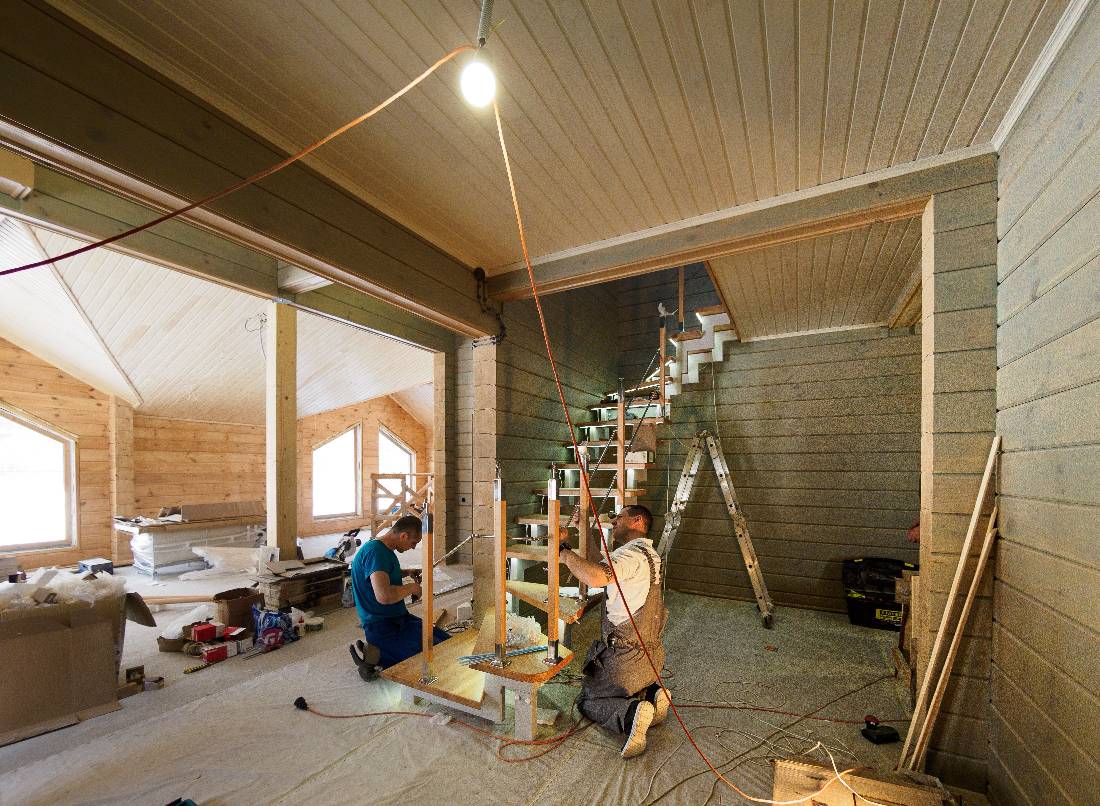
A property renovation underway by BA Construction
  1. Walk-round and condition check

    We go through the property with you, room by room. We look at damp readings, wiring and consumer unit, pipework, roof and floors, and ask what you want to keep. You get a written quote from that visit.

  2. Scope and sequence

    We agree what is in, what is out and the order of work, including any Building Regulations notices for structural, electrical or drainage changes. If you want to live in part of the house, we plan which rooms stay usable.

  3. Strip-out and opening up

    Old finishes, fittings and failing plaster come out and the structure is revealed. This is when the true condition shows, and we talk through anything unexpected before it touches your budget.

  4. First fix and making good

    New wiring, pipework and any structural repairs go in, followed by insulation, boarding and plastering. Electrical work is tested and certificated, and gas work is left to a Gas Safe registered engineer.

  5. Finishes and handover

    Joinery, flooring, decorating and fittings go in last, so they stay clean. We walk every room with you, fix any snags and leave the property ready to move back into.

Why two renovation quotes for similar houses can differ

The price follows the condition of the building and how much we are asked to do. These are the points that move it most.

What is behind the plaster

Rotten joists, old lath ceilings and patched repairs only show once surfaces are opened up. We allow for sensible contingency and tell you early if something changes.

Age of wiring and pipework

A full rewire to current BS 7671 standards, or replacing old lead and steel pipes, is a bigger job than adding a few sockets. It is also work you do not want to leave behind new decorations.

Damp and wall type

Solid walls call for breathable plasters and paints. Finding and curing the cause of damp, rather than hiding it, adds a line to the quote but stops it coming back.

Asbestos in older finishes

In homes built before 2000, textured coatings, floor tiles and boards can contain asbestos. Testing and licensed removal where needed are priced separately.

Living in or moving out

Working around a family that stays home takes more protection and phasing. An empty property lets us run several trades at once and finish sooner.

Access, skips and spec

Third-floor flats and terraces with no rear access make waste and materials slower to shift. Skips on the road usually need a council permit. Finishes then set the final figure, and we price them as separate lines.

Want a figure for your property? Request a written quote and we will arrange a walk-round.

“Really impressed with the quality of work on our renovation. Nothing was too much trouble and the attention to detail was excellent.”

Customer review, property renovation
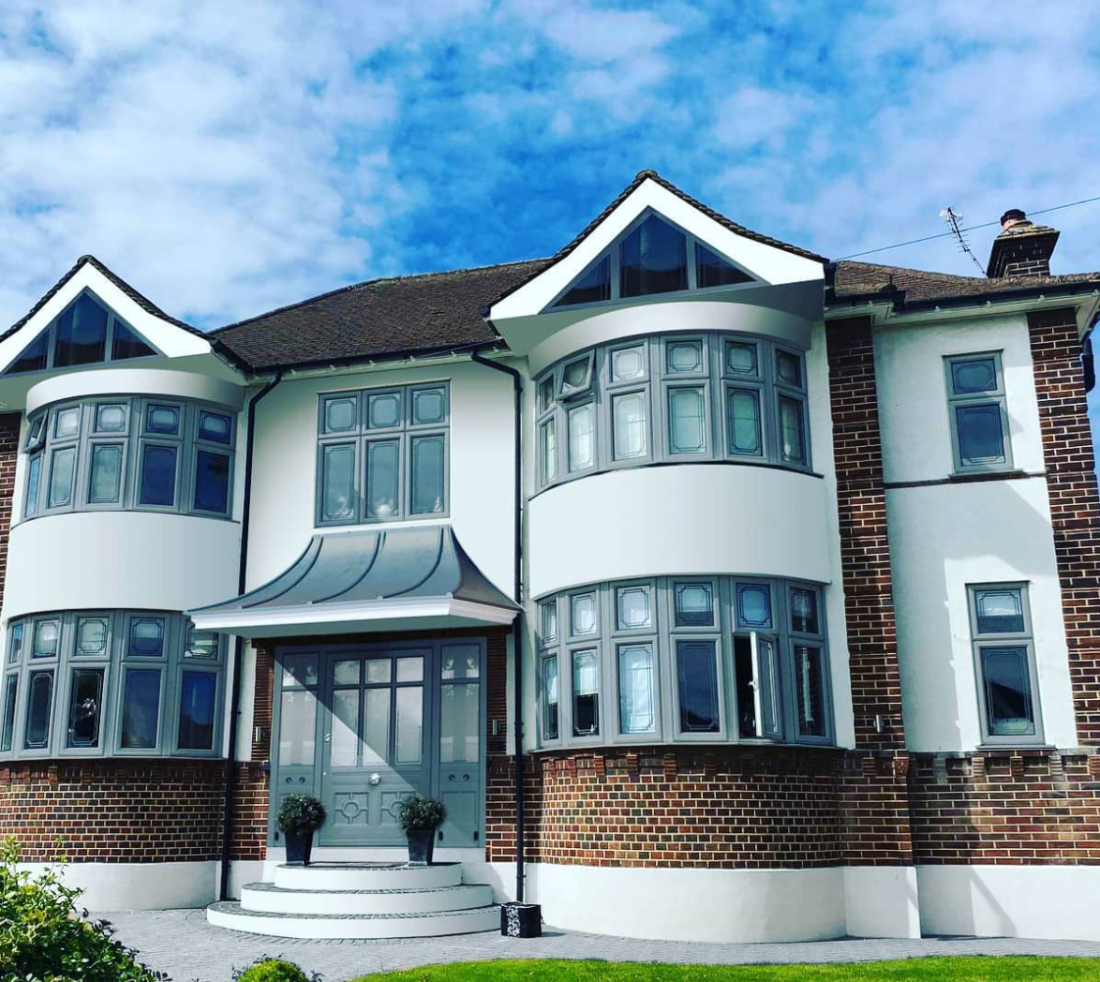
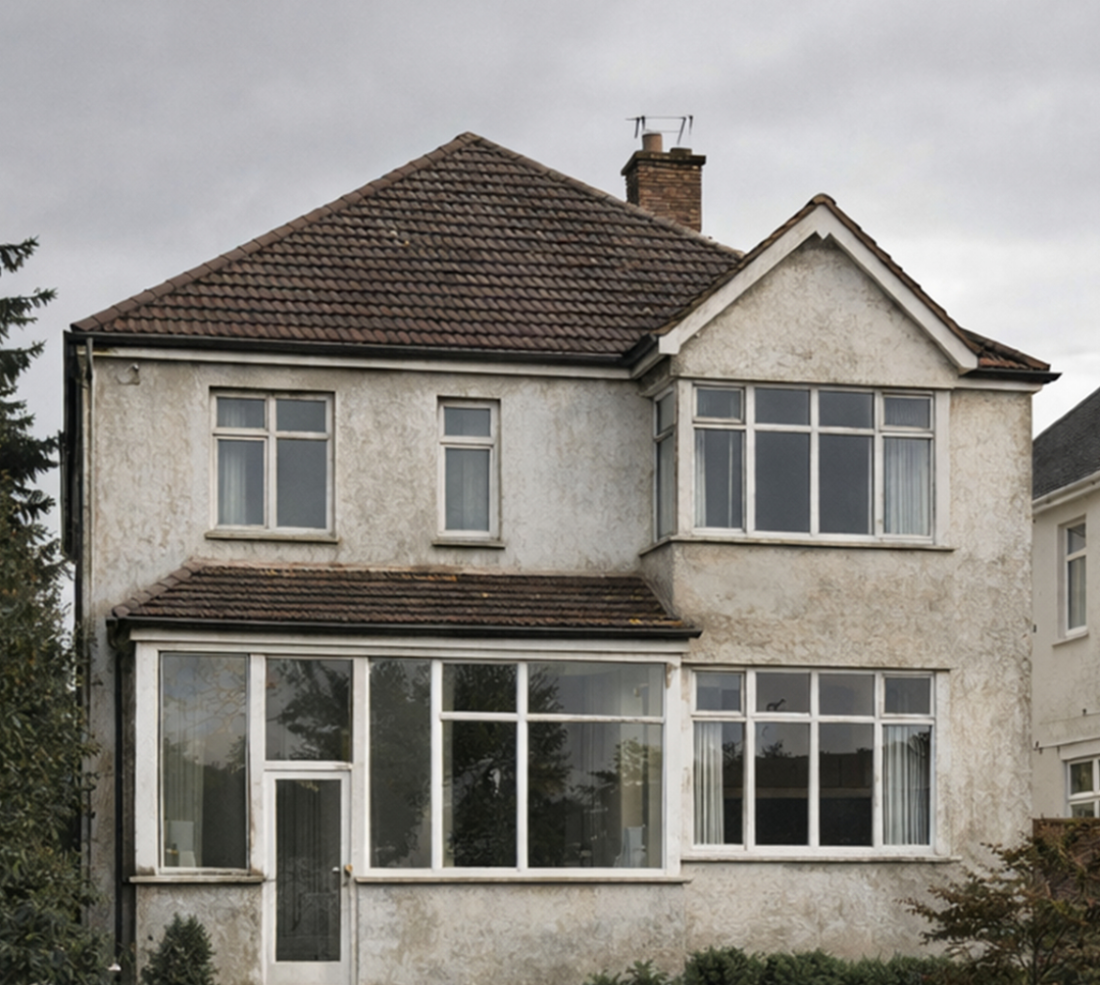
After: Home refurb
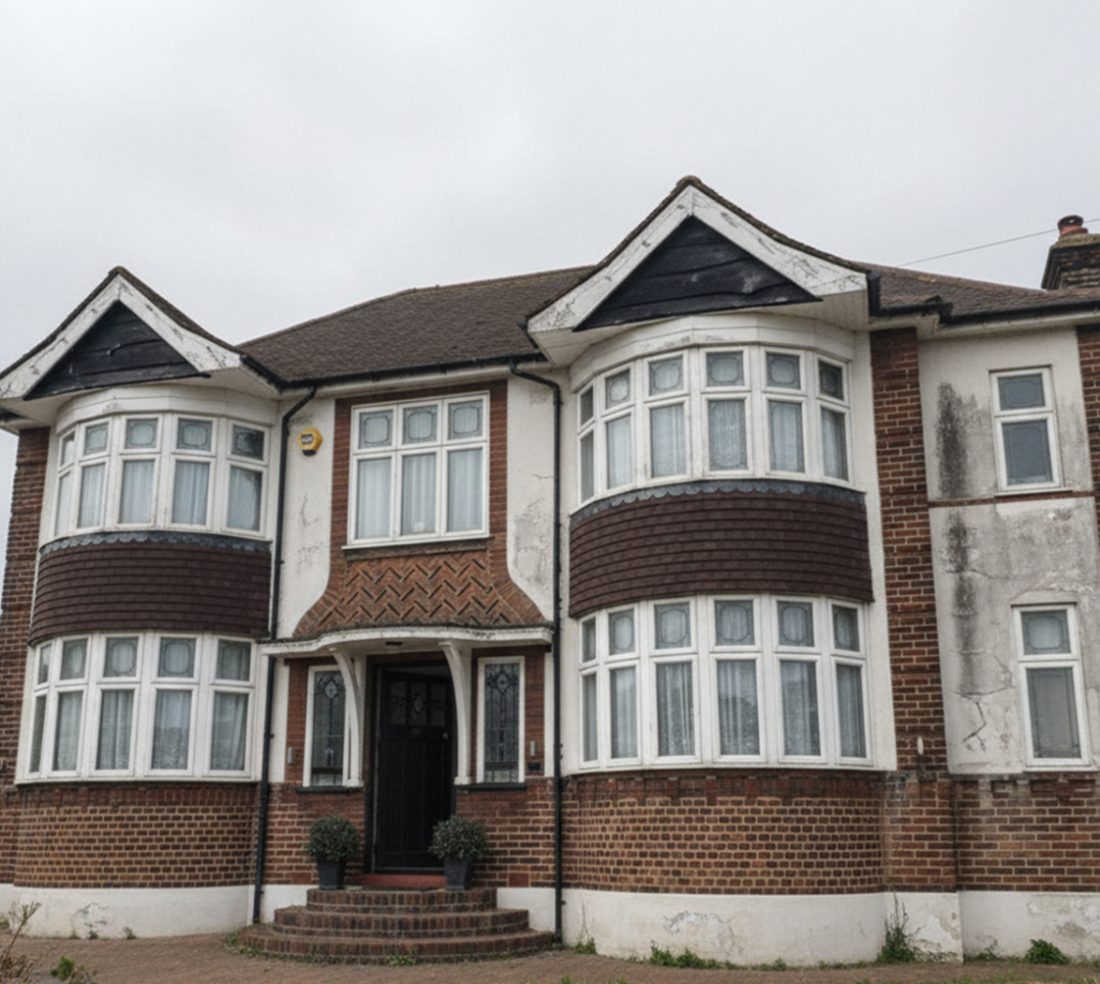
Before: Home refurb
BeforeAfter
Home refurb
After: Home refurb
Before: Home refurb
BeforeAfter
Home refurb

Areas we renovate in

We take on renovations across Manchester, including the districts below. If yours is not listed, ask us, as it may still be within reach.

  • Chorlton
  • Withington
  • Whalley Range
  • Moss Side
  • Longsight
  • Burnage
  • Northenden
  • Crumpsall

Renovation questions from Manchester homeowners

Permissions, damp, living at home and what happens when the walls come open.

Do I need planning permission to renovate my house in Manchester?

Most internal renovation does not need planning permission, but it can still need Building Regulations approval, for example for structural changes, new electrics, drainage or removing chimney breasts. Listed buildings and some conservation areas have extra rules for windows, doors and external changes. BA Construction will tell you what applies once we have seen the property.

Can we live in the house during a renovation?

Sometimes, if the work is phased and you keep a working kitchen, bathroom and bedroom. For a full strip-out and rewire it is quicker, cleaner and often cheaper to move out for a few weeks. We will talk through both options at the walk-round and be straightforward about which suits your property.

How do you deal with damp in an older Manchester terrace?

First we find the cause, whether that is a failed gutter, blocked airbricks, bridged damp course or non-breathable render, rather than just covering the stain. Then we repair the source and use breathable plasters and paints on solid brick walls so moisture can escape.

What if you find problems once the walls are opened up?

It happens in older houses, and we plan for it. We stop, show you what we have found, explain the options and give you the cost in writing before any extra work goes ahead.

Do you handle the electrics and plumbing as part of a renovation?

Yes. We coordinate the electrical and plumbing work as part of the programme so everything is done in the right order. Electrical work is tested and certificated, and any gas work is carried out by a Gas Safe registered engineer.

Will you need a skip permit or parking where I live?

If the skip has to sit on the road, it usually needs a permit from the council, which we can arrange with you. On narrow terraced streets we also plan delivery times and parking so neighbours are disturbed as little as possible.

Tell us about the property

Send a message with a few photos of the rooms you want to change, or call and talk it through. We will arrange a walk-round and put the quote in writing.

0161 123456